Saturday, September 1, 2018


Sunday, April 15, 2018
Senai-Kulai growth corridor in Iskandar Malaysia
The state government has big plans for Kulai, including developing and positioning the district as a global data hub with a dedicated area in Sedenak.
Kulai would also be developed as the country’s biotechnology hub and logistics hub for the southern region
“Kulai has the potential to house the three major hubs as outlined under the Johor Strategic Growth Plan,”
Sedenak data hub would be developed by state investment arm Johor Corporation, with the biotechnology hub located adjacent to it.
Read more at https://www.thestar.com.my/metro/metro-news/2018/03/13/kulai-to-soar-to-greater-heights-johor-developing-district-to-house-data-biotechnology-and-logistics/#wpfMbMkqOcPCecqM.99
Kulai logistics hub for the southern region would be developed at Senai Internatinol Airport, adding that logistics was one of the nine sectors promoted in Iskandar Malaysia.
Kulai would also be developed as the country’s biotechnology hub and logistics hub for the southern region
“Kulai has the potential to house the three major hubs as outlined under the Johor Strategic Growth Plan,”
Sedenak data hub would be developed by state investment arm Johor Corporation, with the biotechnology hub located adjacent to it.
Read more at https://www.thestar.com.my/metro/metro-news/2018/03/13/kulai-to-soar-to-greater-heights-johor-developing-district-to-house-data-biotechnology-and-logistics/#wpfMbMkqOcPCecqM.99
Kulai logistics hub for the southern region would be developed at Senai Internatinol Airport, adding that logistics was one of the nine sectors promoted in Iskandar Malaysia.
Thursday, May 4, 2017
麻坡 香妃城 bandar-maharani- -muar
https://www.johornow.com/ -story-of-bandar-maharani-10-facts-about-muar/
1887年,柔佛苏丹阿布巴卡正式把麻坡命名为“香妃城”
香妃就是苏丹后黄亚娇
黄亚福结拜妹妹黄亚娇。她在1885年受封为法蒂玛王妃(Maharani Fatimah),在马哈拉惹阿布巴卡改称“苏丹”后,她也于1886年受封为王后法蒂玛(Sultanah Fatimah)。
自1887年麻坡开创以后,早期来到麻坡的华人多以种植甘蜜为生,随后延伸出柔佛的港主制度。实际上,麻坡也正因甘蜜业而崛起。
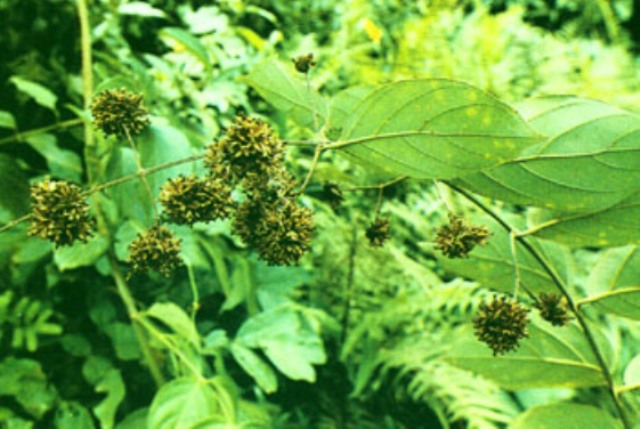
麻坡 拥有美食天堂的称号。其中,四马路“贪食街”就是麻坡历史性的美食街,各种道地美食如乌达、沙爹、蚝煎、卤鸭、五香、糕点都能在这里找到。另一个著名的小贩中心——文打烟小贩中心,也同样具备了各种道地美食。
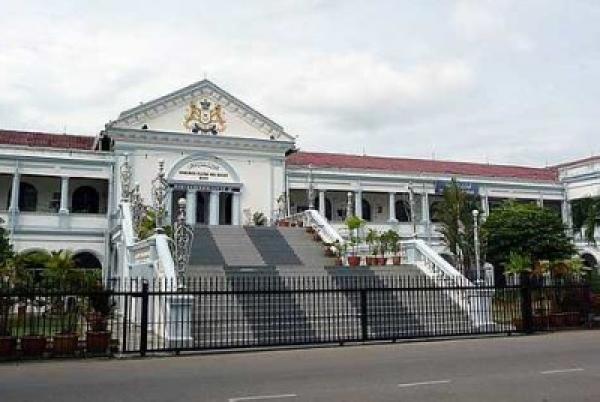
屹立在麻坡河畔逾百年的麻坡县署大楼及麻坡高级中学,荣获国家文物遗产局颁布古迹建筑物,同时也纳入王城旅游景点,成为麻坡极具历史价值及代表性的建筑物
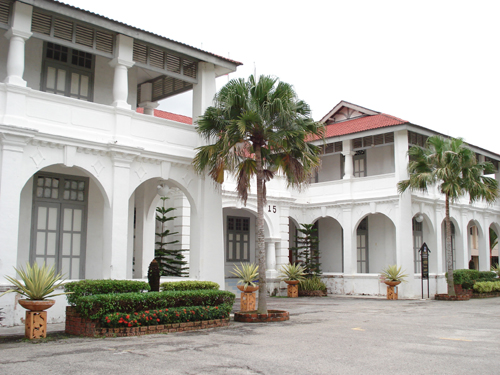
麻坡 拥有了数量可观的个性咖啡馆
麻坡关圣宫龙狮团狮艺名扬国内外,夺下多次世界及国内冠军宝座,为国家及麻坡争光,有鉴于此,由马华献地,当地华团捐赠,置放在马华文打烟饮食中心前的一座站在地球上的舞狮石碑,如今已成了麻坡其中一个地标。值得一提的是,这可是全国惟一的一座狮王地标,富有中华传统文化特色,是麻坡人的骄傲。
麻坡,也是马来西亚制造业出口重镇,约有700间工厂,常年贡献大马家具出口总额的55%。麻坡制造业者出口至全世界160个国家,在国际出口市场占有一席之地。麻坡拥有「家具城」美誉
1887年,柔佛苏丹阿布巴卡正式把麻坡命名为“香妃城”
香妃就是苏丹后黄亚娇
黄亚福结拜妹妹黄亚娇。她在1885年受封为法蒂玛王妃(Maharani Fatimah),在马哈拉惹阿布巴卡改称“苏丹”后,她也于1886年受封为王后法蒂玛(Sultanah Fatimah)。
自1887年麻坡开创以后,早期来到麻坡的华人多以种植甘蜜为生,随后延伸出柔佛的港主制度。实际上,麻坡也正因甘蜜业而崛起。
麻坡 拥有美食天堂的称号。其中,四马路“贪食街”就是麻坡历史性的美食街,各种道地美食如乌达、沙爹、蚝煎、卤鸭、五香、糕点都能在这里找到。另一个著名的小贩中心——文打烟小贩中心,也同样具备了各种道地美食。
屹立在麻坡河畔逾百年的麻坡县署大楼及麻坡高级中学,荣获国家文物遗产局颁布古迹建筑物,同时也纳入王城旅游景点,成为麻坡极具历史价值及代表性的建筑物
麻坡 拥有了数量可观的个性咖啡馆
麻坡关圣宫龙狮团狮艺名扬国内外,夺下多次世界及国内冠军宝座,为国家及麻坡争光,有鉴于此,由马华献地,当地华团捐赠,置放在马华文打烟饮食中心前的一座站在地球上的舞狮石碑,如今已成了麻坡其中一个地标。值得一提的是,这可是全国惟一的一座狮王地标,富有中华传统文化特色,是麻坡人的骄傲。
麻坡,也是马来西亚制造业出口重镇,约有700间工厂,常年贡献大马家具出口总额的55%。麻坡制造业者出口至全世界160个国家,在国际出口市场占有一席之地。麻坡拥有「家具城」美誉
Thursday, March 3, 2016
Sunday, September 20, 2015
A sleeping giant awakens


The state grossed RM21.1 billion in foreign and domestic investments last year, surpassing the RM14.4 billion worth of investments it received the previous year. The trend continued when Johor attracted RM27 billion worth of investments in the first six months of this year.
Menteri Besar Datuk Seri Mohamed Khaled Nordin mentioned these impressive numbers at the launch of a South Korean and Japanese joint-venture factory, Lotte Ube Synthetic Rubber Sdn Bhd, in Tanjung Langsat last month. Khaled said the numbers could only bring better things for the southern state.
“This indicates that Johor is no longer the sleeping giant it used to be. This state will soon become the leading investment hub in the region,” said Khaled.
Strong interest in Iskandar Malaysia in south Johor is a factor in attracting investors into the state. Even though industrial zones exist in Batu Pahat, Muar, Kluang and Segamat, Iskandar Malaysia — comprising Johor Baru, Pasir Gudang, Nusajaya, Senai-Skudai and part of Gelang Patah — is the major pull for investors and the people to seek opportunities in the state.
For the past three decades, Johor Baru has attracted people and investors, and being close to Singapore gives it a strategic economic advantage. The working-class can earn high pay cheques across the Causeway while living comfortably and spending their hard-earned money in Johor.
Khaled’s analogy of a sleeping giant probably has something to do with how a typical Johorean feels about his home state.
His statement is both an observation and a critique of the current state of Johor’s economy.
Looking back at history, growth was slow for many decades before Iskandar Malaysia came into the picture. Johor Baru (or Iskandar Puteri, as it was previously called) was a fishing village founded by Temenggong Daeng Ibrahim.
It was declared the state administrative centre by his son, Sultan Abu Bakar, in 1841 to replace the previous administrative centre in Teluk Belanga, Singapore.
Growth had been moderate between World War 1 and World War 2, but things picked up when industries sprouted in the outskirts of Johor Baru from the 1970s to 1990s.
This led to the expansion of new areas, such as Tebrau, Tampoi and Senai, which eventually became the location of an airport in 1974.
From the late 1980s to early 1990s, life was good in Johor Baru as the influx of people meant there were more social activities.
As a child growing up in Johor Baru, Kompleks Tun Abdul Razak (Komtar), Holiday Plaza and Plaza Pelangi were the places to go for food, shopping and entertainment.
The state capital was a border town with a sprinkling of industrial areas, and many could see its potential to rival the Klang Valley, Penang and Ipoh.
By the time Johor Baru was declared a city in 1994, its development had expanded northwards to Skudai and Kulai, and eastwards to the heavy industrial centre and port town of Pasir Gudang.
Fourteen years after achieving city status, the new township of Nusajaya was opened. The first “occupants” of Nusajaya were the Johor civil service, which moved its offices there after the state administrative centre was relocated from Bukit Timbalan in downtown Johor Baru.
The township did not look like much at first. Many civil servants working there complained of a lack of food outlets as it was a new area.
Today, Nusajaya has become more liveable, with the coastal highway, Puteri Harbour, Mall of Medini and Mydin. EduCity, the new central business district of Medini, Pinewood Iskandar Malaysia Studios and Sunway Iskandar are among the newer projects there.
The birth of Nusajaya and the influx of professionals and technical workers, including Johoreans willing to start careers in their home state instead of Kuala Lumpur or Singapore, has added to the appeal of Johor Baru.
It also contributed to a rise in population. It is estimated that the number of people in Iskandar Malaysia had surged to 1.35 million, or 43 per cent of the state’s population of 3.17 million, in 2008. Today, there are indications that the number of people in the growth corridor has grown to 1.8 million people.
http://www.nst.com.my/news/2015/09/sleeping-giant-awakens?d=1
Sunday, May 3, 2015
Johor State EXCO
PortfolioEXCO
Menteri Besar
Natural Resources, Administration, Finance and Planning Mohamed Khaled Nordin
Agriculture and Agro-based Industry Ismail Mohamed
State Religious Abdul Mutalib Abd Rahim
Housing and Local Government Abdul Latiff Bandi
Education, Entrepreneur Development and Cooperatives Md Jais Sarday
Unity and Human Resources R. Vidyananthan
Youth, Sports, Culture and Heritage Zulkurnain Kamisan
Tourism, Trade and Consumer Affairs Tee Siew Kiong
Works and Rural and Regional Development Hasni Mohammad
Women and Family Development Committee chairman Asiah Md Ariff
Health and Environment Ayub Rahmat
Non-representatives
State Secretary Ismail Karim
Menteri Besar
Natural Resources, Administration, Finance and Planning Mohamed Khaled Nordin
Agriculture and Agro-based Industry Ismail Mohamed
State Religious Abdul Mutalib Abd Rahim
Housing and Local Government Abdul Latiff Bandi
Education, Entrepreneur Development and Cooperatives Md Jais Sarday
Unity and Human Resources R. Vidyananthan
Youth, Sports, Culture and Heritage Zulkurnain Kamisan
Tourism, Trade and Consumer Affairs Tee Siew Kiong
Works and Rural and Regional Development Hasni Mohammad
Women and Family Development Committee chairman Asiah Md Ariff
Health and Environment Ayub Rahmat
Non-representatives
State Secretary Ismail Karim
| Votes | % of vote | +/– | Seats | % of seats | +/– | |
|---|---|---|---|---|---|---|
| Barisan Nasional: | 737,990 | 53.99% |  | 38 | 68.0 | 12 |
| United Malays National Organisation (UMNO) | 459,921 | 33.65% | | 32 | 57.0 |  |
| Malaysian Chinese Association (MCA) | 203,501 | 14.89% | | 2 | 4.0 | 10 |
| Malaysian Indian Congress (MIC) | 56,602 | 4.14% | | 3 | 5.0 | 4 |
| Malaysian People's Movement Party (Gerakan) | 17,966 | 1.31% | | 1 | 2.0 | 1 |
| Pakatan Rakyat: | 625,851 | 45.79% |  | 18 | 32.0 | 12 |
| Democratic Action Party (DAP) | 252,934 | 18.50% | | 13 | 23.0 | 9 |
| Pan-Malaysian Islamic Party (PAS) | 292,588 | 21.41% | | 4 | 7.0 | 2 |
| Parti Keadilan Rakyat (PKR) | 80,329 | 5.88% | | 1 | 2.0 | 1 |
Subscribe to:
Posts (Atom)